

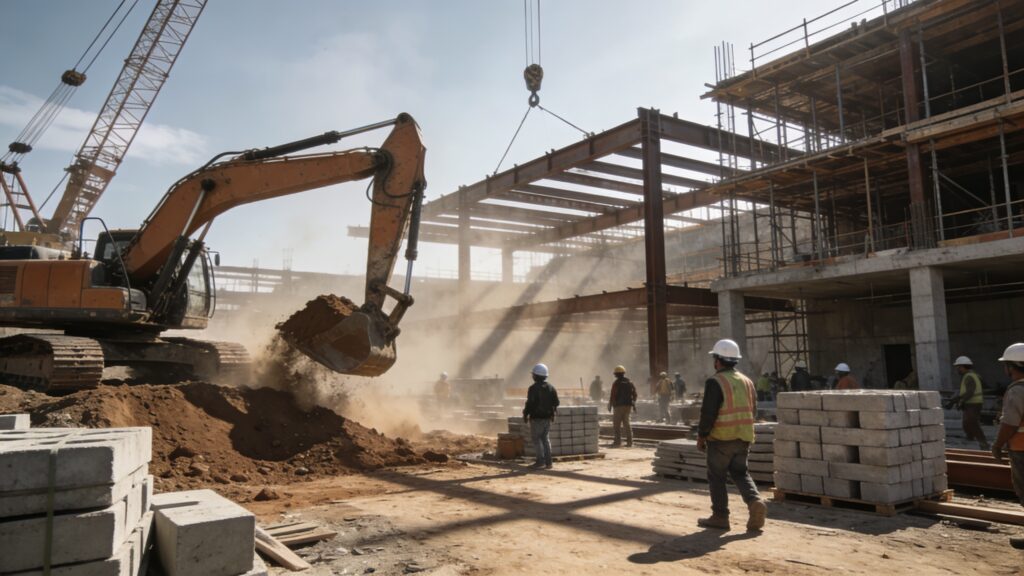
7 Smart Ways to Reduce Construction Payment Risk Canada During Peak Season
Introduction
Construction payment risk Canada is a growing concern every spring. As projects ramp up across Ontario, British Columbia, and Alberta, many businesses find themselves in a strange position. Work is increasing, crews are busy, and invoices are going out. Yet cash flow feels tight.
It sounds contradictory, but it happens every year.
In our experience working with Canadian construction accounts, the busiest months often bring the highest financial risk. More activity means more exposure. And without the right systems in place, delayed payments can quickly pile up.
This article explains why that happens and, more importantly, how to stay ahead of it.
What Is Construction Payment Risk in Canada?
Construction payment risk in Canada refers to the likelihood that contractors, subcontractors, or suppliers will experience delayed or missed payments due to project-based billing structures, layered payment chains, and seasonal cash flow fluctuations.
Unlike many industries, construction payments are rarely straightforward. Instead, they depend on multiple approvals, milestones, and stakeholders. As a result, even a small delay can ripple across an entire project.
Key Takeaways for Canadian Construction Businesses
- Payment risk increases during peak construction season
- Subcontractor chains are a major cause of delays
- High project volume creates administrative pressure
- Early action improves collection success
- Weekly monitoring of receivables is critical
Why Construction Payment Risk Increases During Peak Season
High Volume Equals Higher Exposure
As project volume increases in spring, so does the number of invoices. While growth is positive, it also increases the likelihood of missed or delayed payments.
A small delay across multiple accounts can quickly become a serious issue.
Subcontractor Chains Slow Payment Flow
In Canadian construction projects, payment rarely moves directly. Instead, it follows a chain:
- Property owner pays general contractor
- Contractor pays subcontractors
- Subcontractors pay suppliers
In our experience, this layered structure is one of the most common causes of delays. If one party holds payment, everyone downstream is affected.
Seasonal Ramp-Up Creates Administrative Bottlenecks
Spring brings a surge of new work. However, internal systems don’t always scale at the same pace. As a result, invoicing, approvals, and payment processing can slow down.
Common Payment Challenges in Canadian Construction
Delayed Progress Payments
Construction projects are often billed in stages. However, approval timelines can vary, leading to unexpected delays.
Disputes Over Work Completion
Even minor disagreements about timelines or deliverables can hold up payments. These disputes often take time to resolve.
Stacking Receivables from Multiple Projects
During peak season, businesses may manage several projects at once. This increases the risk of overlapping unpaid invoices.
Construction Payment Risk Canada: Data Snapshot
|
Risk Factor |
Impact on Payment Timing |
|
Subcontractor chains |
Delays payments by 15–45 days |
|
High project volume |
Increases missed invoices |
|
Seasonal ramp-up |
Slows administrative processing |
|
Payment disputes |
Causes unpredictable delays |
How to Reduce Construction Payment Risk Canada
Strengthen Credit Screening
Before accepting new projects, review the client’s payment history. Not all opportunities are equal.
Use Clear Contracts
Clearly define:
- Payment timelines
- Milestones
- Expectations
This reduces disputes and confusion.
Invoice Immediately
Delays in invoicing often lead directly to delays in payment. Send invoices as soon as work is completed.
Monitor Receivables Weekly
Monthly reviews are not enough during peak season. Weekly tracking allows you to identify issues early.
Communicate Proactively
A simple reminder before a due date can prevent delays. Consistent communication is key.
The Role of a Third-Party Collection Agency
In our experience working with Canadian construction businesses, early intervention is critical. When accounts are addressed quickly, recovery rates improve significantly.
A third-party collection agency can:
- Follow up professionally
- Resolve disputes efficiently
- Recover overdue accounts
- Allow your team to focus on operations
Importantly, early involvement often helps preserve business relationships.
Seasonal Insight: Why Being Busy Can Hurt Cash Flow
Here’s the contradiction many businesses face:
The busiest months in construction are often the most financially unstable.
More work does not always mean more cash. In fact, it often means more outstanding invoices, more dependency on payment cycles, and greater exposure.
Understanding this dynamic is key to staying financially stable throughout the season.
Practical Checklist for Peak Construction Season
- Review outstanding winter invoices
- Set clear payment expectations for new projects
- Track receivables weekly
- Identify high-risk accounts early
- Act quickly on overdue payments
FAQs
Why is construction payment risk higher in spring?
Because project volume increases quickly while payment cycles remain unchanged, creating a gap between work completed and cash received.
Are payment delays common in Canadian construction?
Yes, due to layered payment structures and approval processes.
How can businesses reduce payment delays?
By improving credit checks, invoicing quickly, and monitoring receivables regularly.
When should a collection agency be involved?
Ideally before accounts become severely overdue. Early action improves outcomes.
Do payment risks vary across provinces?
Yes, but core challenges remain consistent across Canada.
Can payment risk be eliminated completely?
No, but it can be significantly reduced with proactive management.
Conclusion
Construction payment risk Canada is not just a financial issue—it’s a seasonal reality. As projects increase in May and throughout the summer, so does the potential for delayed payments.
However, with the right strategy, businesses can stay ahead. By strengthening processes, monitoring receivables, and acting early, it is possible to maintain healthy cash flow—even during peak construction season.
Because at the end of the day, staying busy is important—but getting paid is essential.
Related Blogs
- Credit and Collections Trends in Canada
- Late Payments by Industry in Canada
- Statute of Limitations on Debt by Province
Helpful Resources
Struggling with overdue accounts?
Contact CGI Credit Guard today to recover outstanding receivables and strengthen your cash flow.